
Protect Your Solar System from Summer Surges
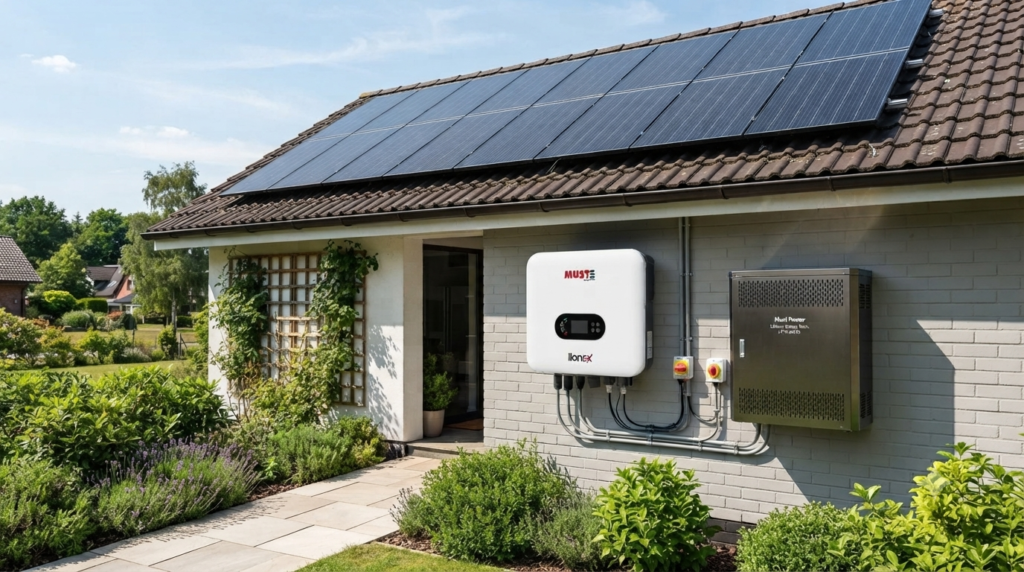
As the summer heat intensifies, so does the strain on our power grids. For homeowners in Pakistan relying on solar energy, this period is both a blessing and a challenge. While your Must Power system is built to handle high temperatures and heavy loads, extreme heat and frequent power surges can degrade performance and, in severe cases, damage sensitive components like your inverter and batteries.
To ensure your system operates at peak efficiency all summer long, follow these essential best practices for protection and maintenance.
1. Ensure Proper Ventilation for Your Inverter
Your inverter is the brain of your solar system, converting DC electricity from your panels into usable AC power for your home. This process generates heat. When ambient summer temperatures soar, the inverter has to work harder, increasing the risk of overheating.
If an inverter gets too hot, it will automatically derate (reduce its power output) to protect itself, directly impacting your solar efficiency.
Best Practice:
-
Shade is Crucial: Ensure your inverter is installed in a shaded area, protected from direct afternoon sunlight. If it’s outdoors, consider building a small, ventilated cover.
-
Clearance: Maintain adequate clearance around the unit (at least 6 inches on all sides) to allow for natural air circulation.
-
Clean Fans/Filters: If your inverter has external cooling fans or air filters, clean them regularly to prevent dust buildup, which obstructs airflow.
2. Combat Heat Stress on Batteries
Batteries, especially traditional lead-acid types, are extremely sensitive to high temperatures. Excessive heat accelerates chemical degradation within the battery, significantly reducing its lifespan and storage capacity. While advanced Must Power lithium batteries are more heat-tolerant, they still perform optimally within specific temperature ranges.
Best Practice:
-
Climate Control: If possible, install batteries in a cool, shaded, and well-ventilated room. Avoid placing them in unventilated sheds or garages where temperatures can exceed 50°C (122°F).
-
Check Connections: Heat causes metal to expand and contract, which can loosen battery terminals over time. Loose connections increase resistance and heat, potentially leading to dangerous arcing. Schedule a professional check-up to tighten all terminals before the peak summer season.
3. Install Robust Surge Protection Devices (SPDs)
Summer heatwaves often lead to sudden voltage spikes when grid power is restored after an outage or when heavy industrial loads kick in. These power surges can travel through the utility line and instantly fry the delicate electronic components inside your inverter.
Best Practice:
-
AC and DC Surge Protection: Don’t rely solely on the inverter’s internal protection. Install external Type 1 and Type 2 AC Surge Protection Devices (SPDs) on the main distribution board.
-
DC Protection: It is also highly recommended to have DC SPDs installed between your solar panels and the inverter to protect against lightning-induced surges.
-
Regular Inspection: After a storm or major power fluctuation, check your SPDs. If the indicator window has turned red, the device has fulfilled its duty and needs replacement.
4. Keep Panels Clean for Maximum Output
While this doesn’t directly protect the hardware, keeping your panels clean is critical for overall efficiency, especially during dusty summer months. Dirty panels absorb less sunlight, meaning your system produces less power. This forces the inverter and batteries to work harder to compensate, indirectly increasing system stress.
Best Practice:
-
Regular Cleaning: Rinse your solar panels with a soft brush and clean water early in the morning or late in the evening when the glass is cool. Avoid high-pressure sprayers, which can damage seals.
Conclusion
Your Must Power system is a significant investment designed to provide years of reliable, clean energy. By taking these proactive steps to manage heat and guard against surges, you aren’t just protecting your equipment—you are ensuring maximum solar efficiency and uninterrupted power throughout the demanding summer season.
Don’t wait for a failure. Schedule a maintenance check with a qualified solar technician today to prepare your system for the heat.


